






Rugs.net
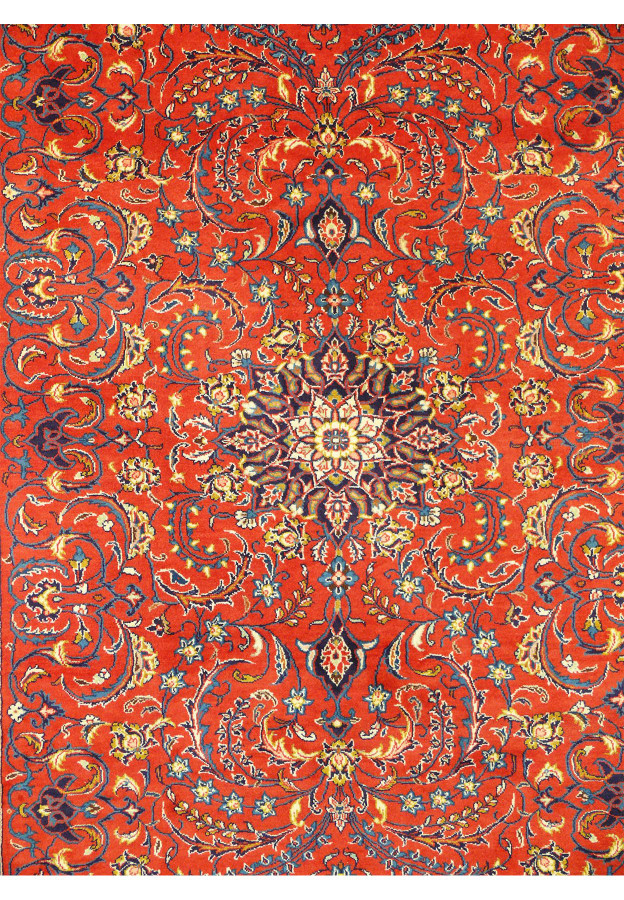
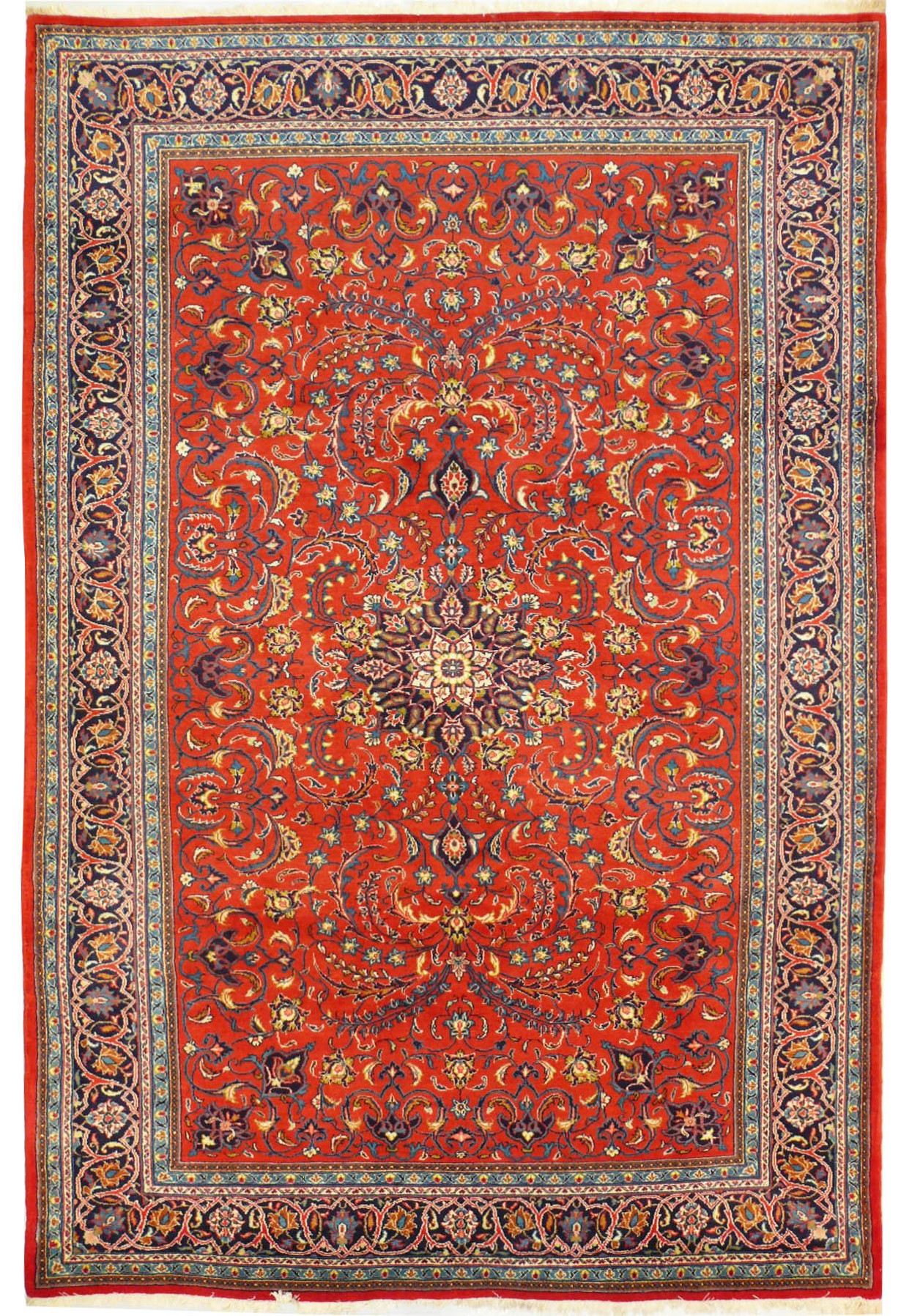
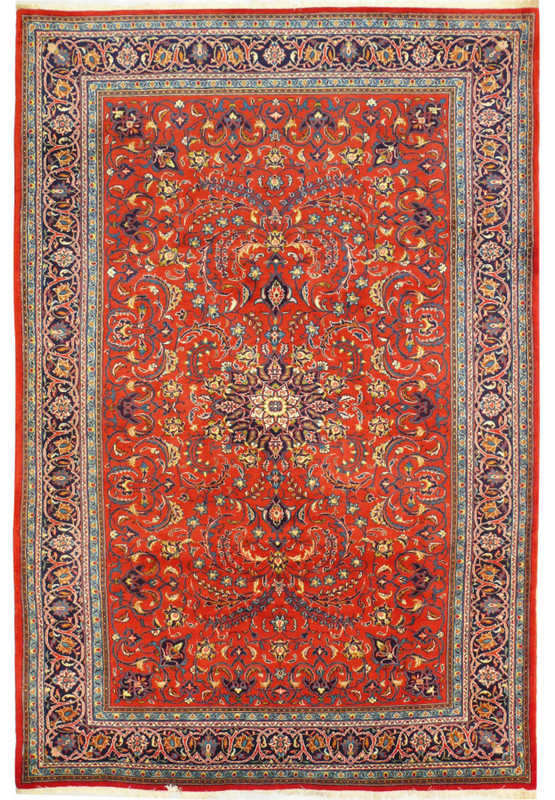
6'9 x 10'3 Persian Sarough Rug
- SKU:
- 43150-69-D005
- Shipping:
- Free Shipping
- SIZES:
- 7x10
- SHAPES:
- Rectangular
- ORIGIN:
- Sarough Rugs
| Size in ft: | Width 6'9" x Length 10'3" |
| Size in Inch: | Width: 81in x Length: 123in |
| Size in meters: | Length 3.14 x Width 2.06 |
| Some of many colors in this rug: | Red, Navy Blue Blue, Beige, Dark Blue, Sky Blue, Dark Gold, Light Brown |
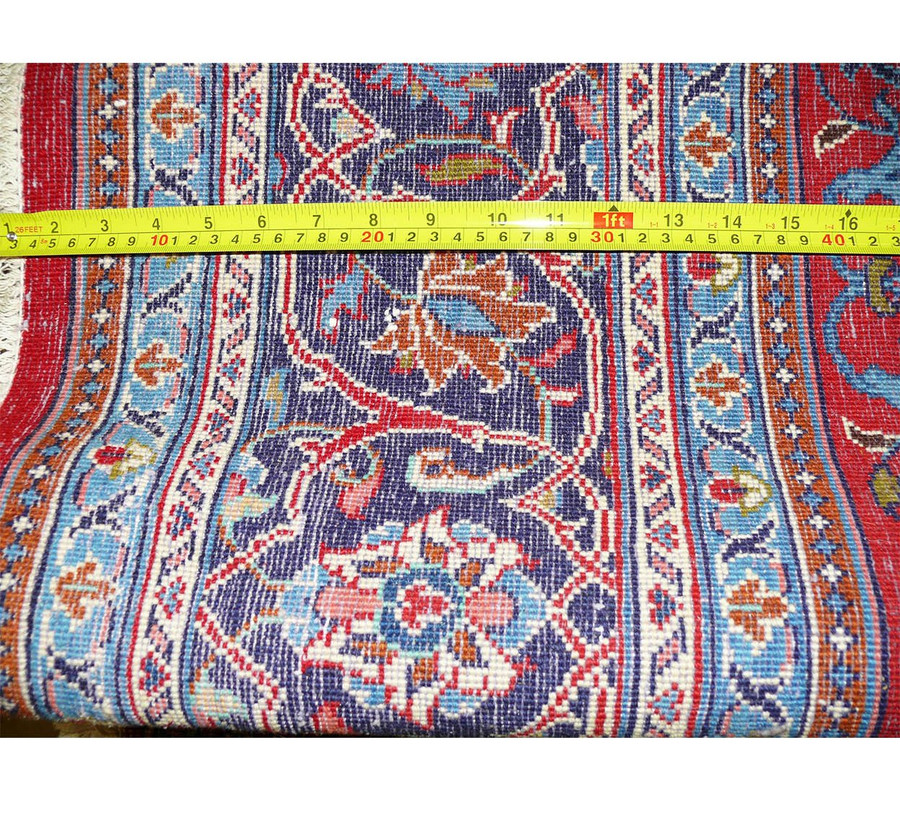
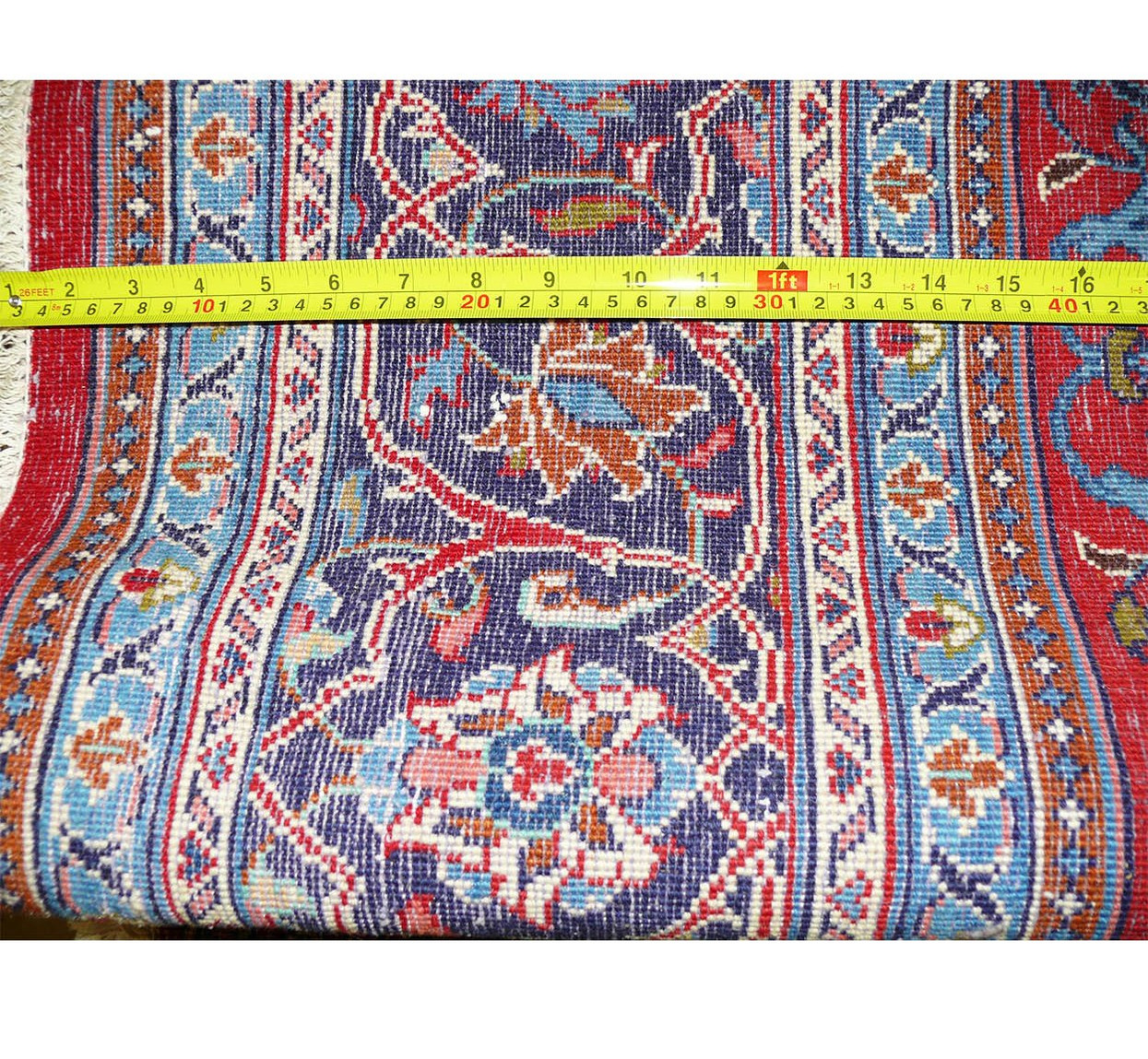
| Woven: | 100% Handmade and Hand-knotted |
| Foundation: | Cotton |
| Pile: | Wool |
| Shape: | Rectangle |
| Style: | Traditional |
| Origin: | Persian Sarough |
| KPSI | 280 - 320 |
| Condition: | Excellent | never used |
Sarough Rugs from Iran/Persia
A symbol of political economy and cultural representation, Sarough was stopped in response to the nearly continuous warfare in the region in the 18th century. The temporary end to the production of Sarough rug weaving during the Afghan invasion underscores the importance of fine handwoven rugs in economic exchange. Prior to the invasion of the Afghans, rug weaving served as a main source of economic leverage in trade, as well as cultural identification with the Kingdom of Persian and its political rights to sovereign rule.
Rug manufacture resumed in Persia after the Afghan colonial period. By the end of the 19th century, the renewed demand for Iran's hidden carpet weaving industry emerged in response to the expansion of Northern Persia. Political ascension and the general growth of the mercantile practices made Tabriz the center of Sarough rug weaving once again. Persian now offered excellence in handwoven carpet crafting to the West.
Arak, the seat of Sarough rug weaving, began to attract Western companies interested in establishing a trade relationship with local rug producers. A new venture was formed, persisting into the 20th century as a core industry recognized for trade in luxury rugs.
Art historians educated in the development of Sarough rugs, evidence several main styles in rug Persian production history. Ferahan persian rugs also known as Saroughs, are distinguished by Herati designs and red backgrounds. Narrow and long in sizing, Ferahan Saroughs are prized for their age.
When the second period of Ferahan Sarough rugs was developed at the end of the 19th century, traders had access to finer texture rugs of about 270 knots per square inch. Heavier warp and weft was also characteristic of the period. Ferahan Sarough carpets are distinct from first period composition, noted for pictorial design illustrating flora and fauna patterns.
Supply of original designs demanded by buyers of Sarough rugs by Tabriz merchants saw delay in actual production. Manufacture of designs sought by carpet connoisseurs was dependent upon the ability of weavers to produce fine knotting to reflect the buyer’s vision. Once attained, the rugs were seen as collectors pieces.
The trade in Persian Malayer Sarough rugs and Josan Sarough rugs is a development of nearby villages sharing much of the same production facility as Ferahan in Sarough manufacture. Malayer Sarough rugs and Josan Saroughrugs often feature medallions, and are symmetrically knotted, yet not as fine as antique Ferahan Sarouks.
Mohajaran Saroughs are found more widely, and are only about 120 knots per square inch. The debate about Mohajaran Sarough origin is the result of unwritten history. With less information about the production and distribution of Mohajaran Saroughs in the late 19th and early 20th century rug trade, the identification of these rugs as second-tier investments on the contemporary market reflects this issue.
The undeniable demand for Sarough rugs from Iran continues today. In the early 20th century, American Saroughreproductions of Near Eastern rugs were homage to the beauty of Persia’s fine, handwoven rugs. Quite a few of those American Saroughs can be seen on exhibition in museums today. For more information about the Persian Sarough rug trade, contact a fine and antique rug specialist for history and inventory available for distribution and sale.


Shipping
We are pleased to offer free shipping and free returns in all 50 states including Hawaii and Alaska, plus Puerto Rico and the US Virgin Islands. Shipping to Canada is free as well. Oversize and palace size rugs ship free too, no freight surcharge at any weight.
Order by 2 PM EST on a weekday and your rug ships the same day. Across the Northeast (NY, NJ, CT, PA, DE, MD, VA, DC, MA, RI, NH, VT, ME) our own drivers deliver guaranteed within 24 to 48 hours, handed to you at your door, never curbside. Weekend orders ship the next business day. White-glove delivery into the home is available by appointment.
Once your rug is shipped, we will email you the tracking number along with an estimated arrival time.
Please note that any country outside of the U.S. might charge you import taxes.
Returns Policy
To return contact info@rugs.net or (855) 576 7705
To facilitate a return, contact our Customer Service team via email at info@rugs.net with your order number to request a shipping label for your item. Purchases from Rugs.net can be refunded within 31 days, free of charge, with no restocking fee. If 31 days have gone by since your purchase, we are unable to offer you a refund or exchange. To be eligible for a return, your item must be unused and in the same condition that you received it, returned in like kind packaging.
Before we send out your item we take pictures for future reference.
- no pet residue or fur
- no dirt or grass
- no signs of wear, washing, or improper care
- no damage or stains
6'9 x 10'3 Persian Sarough Rug

Related Products
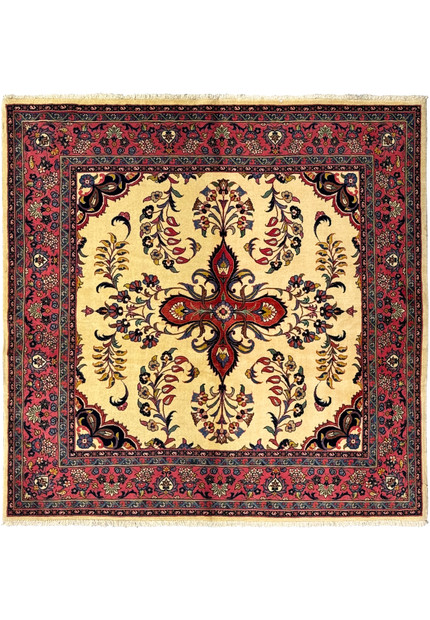
6'9 x 6'9 Persian Sarough Square Rug
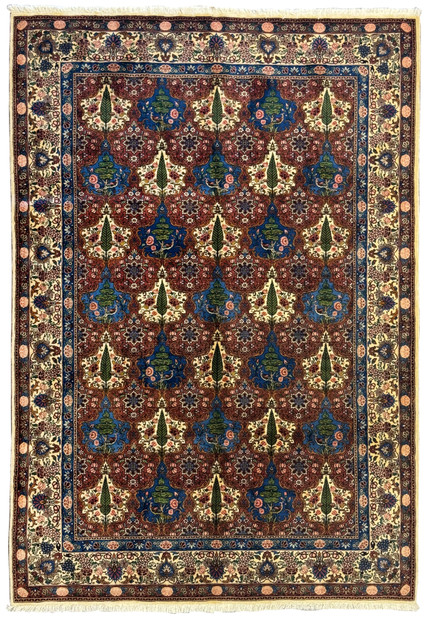
6'9 x 10'3 Persian Bakhtiar Rug
Exact Size in ft: Width: 6'9" x Length: 10'3"

6'9 x 7'3 Persian Sarough Square Rug

6'9 x 7'2 Persian Sarough Square Rug
Size in ft: Width 6'9" x Length 7'2" Size in Inch: Width: 81 in x Length: 86 in
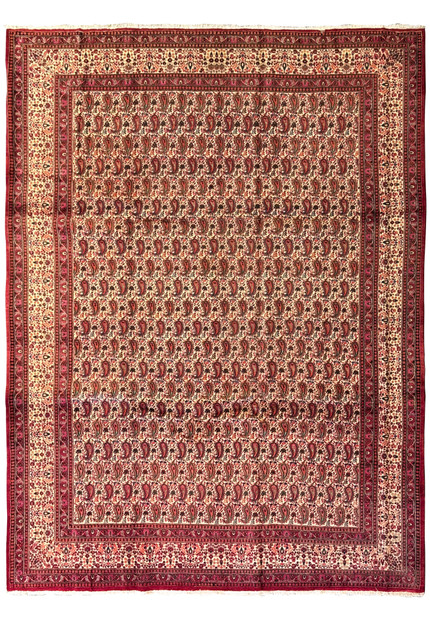
10'3 x 13'8 Persian Moud Rug